Locally governed reef closures accelerated fisheries recovery and improved household incomes, demonstrating that community managed marine areas can deliver rapid, measurable results.
Habitat Restored
0.5 Ha
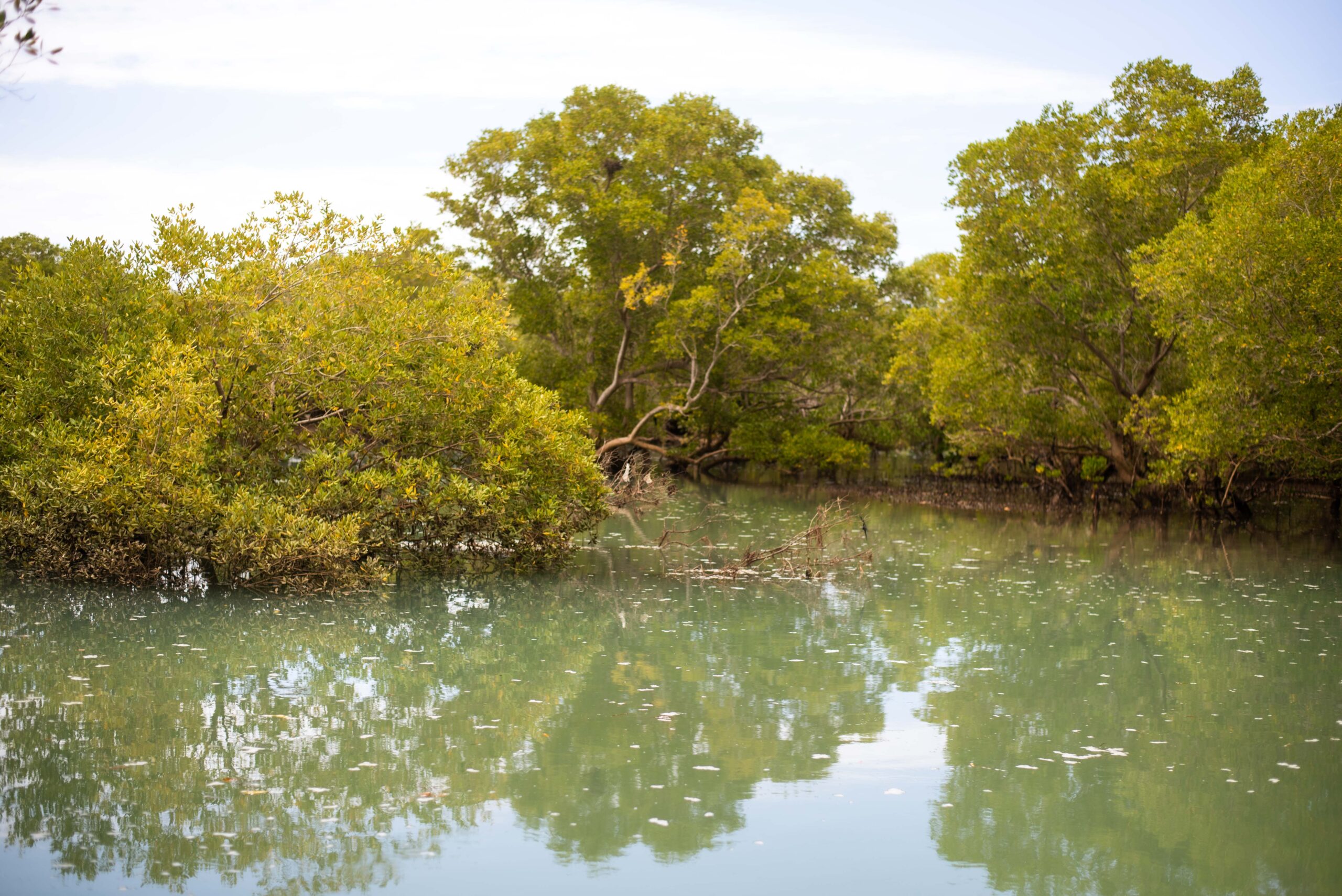
Mangrove restoration strengthened shoreline protection, biodiversity, and carbon storage while safeguarding nursery habitats that sustain fisheries and long term coastal resilience.
Coral Fragments Restored
0
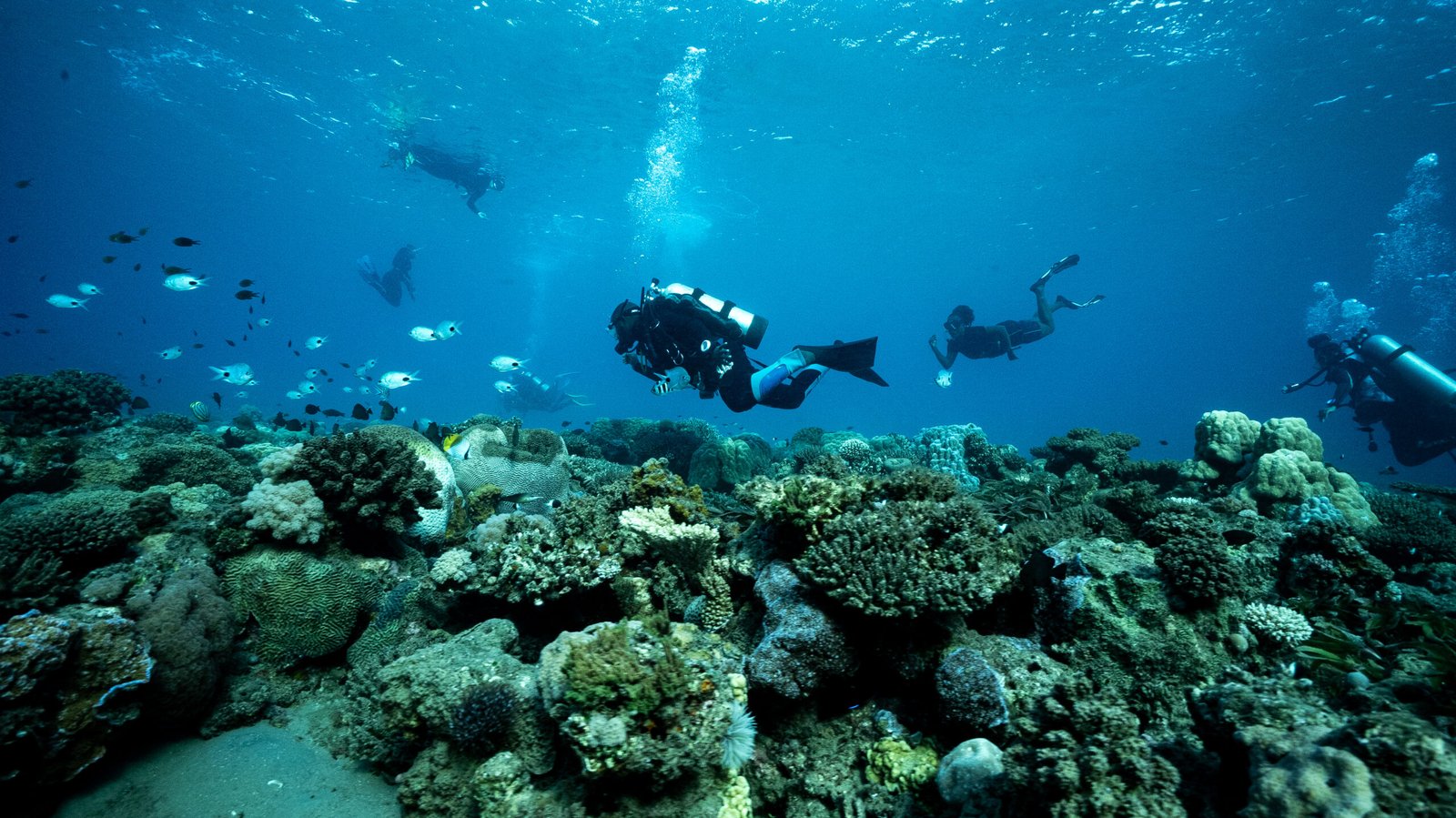
Community driven coral restoration scaled reef recovery while transferring practical skills to local stewards, improving reef function and resilience.
Community Capital Mobilized
USD 0.5
Access to savings and credit reduced household vulnerability, enabled livelihood diversification, and lowered dependence on daily fishing.
Community Enforcement Patrols
0
Locally led enforcement strengthened compliance and legitimacy of fisheries regulations, making conservation outcomes more durable.
Direct Economic Benefit From Conservation
USD 0
Conservation generated direct income gains from octopus closures, proving that managed recovery can economically outperform open access fishing.
Women's Economic Empowerment
0.6%
Increased participation in Village Savings and Loan Associations strengthened household stability and amplified women’s leadership in community conservation and livelihood systems.
Fisheries Recovery From Octopus Closures
0g
Recovering from a baseline size of 500 grams, larger catches per trip reduced fishing pressure and costs while improving incomes, supporting both ecological recovery and livelihood resilience.
Alternative Livelihood From Seaweed Farming
USD 0.7
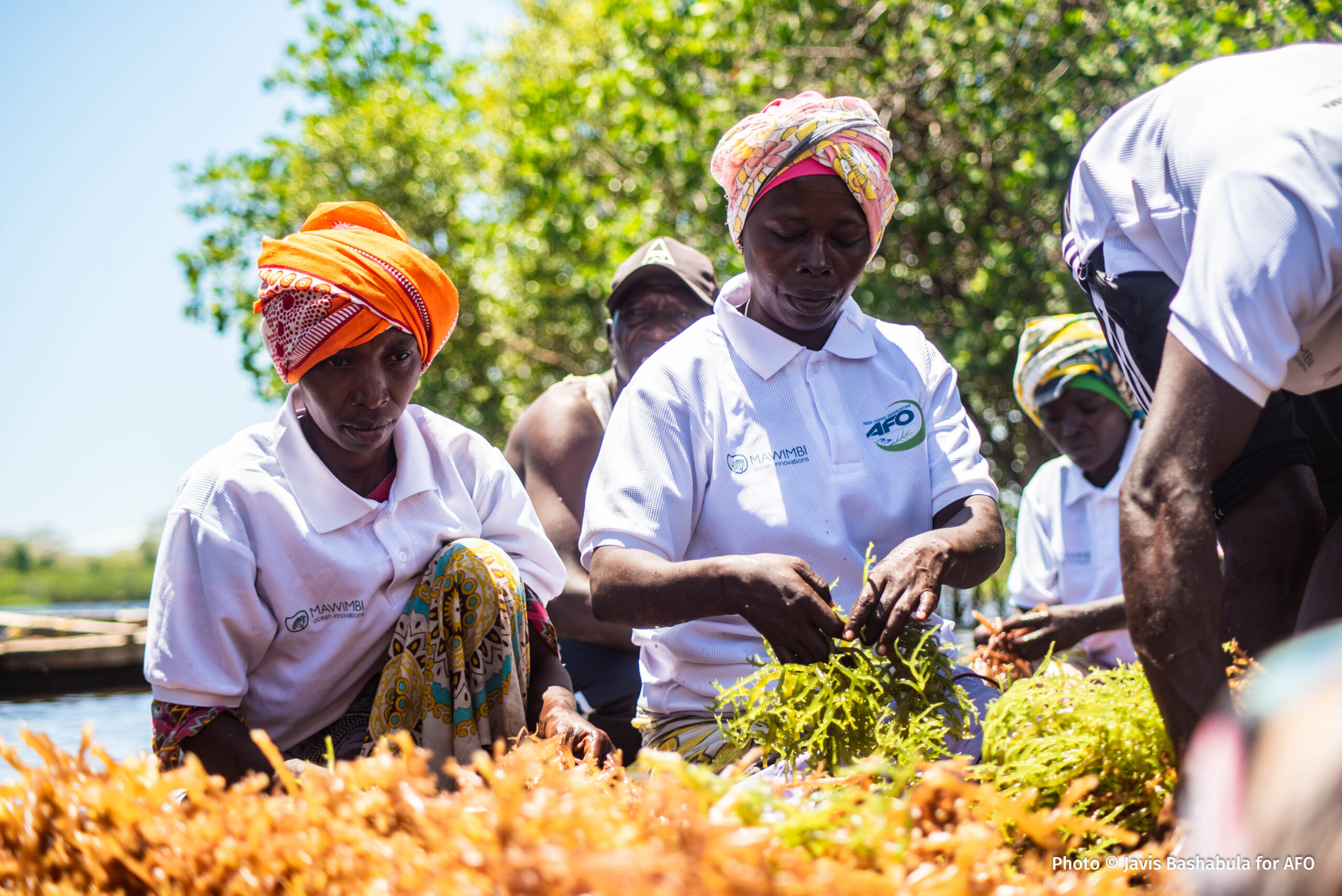
Seaweed farming reduced reliance on fishing, expanded climate resilient blue economy opportunities, and strengthened women led livelihoods.
Where We Work
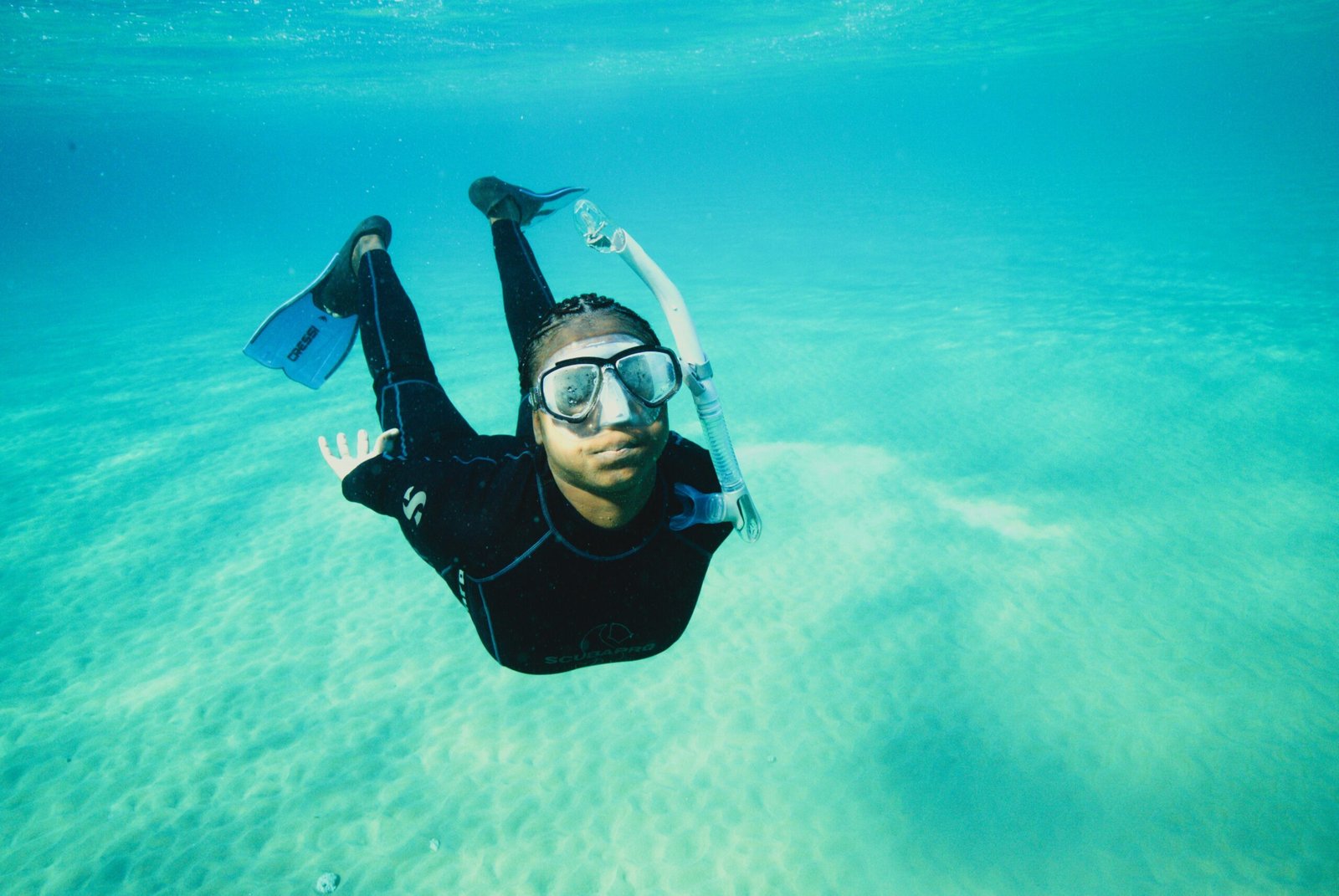
Stretching along Tanzania’s coast lies a mosaic of life mangrove forests, coral reefs, and seagrass meadows that sustain both people and planet. Here, Action for Ocean works with communities who depend on the sea every day, helping them protect the ecosystems that protect them.
Along the central coast, women and youth are transforming seaweed farming into a source of income and empowerment.
Each location represents a partnership between science and local wisdom, between conservation and opportunity. Together, we’re proving that when people and nature thrive side by side, the ocean becomes not just a resource, but a legacy.
The ocean can't wait, and neither can we.
287,240 mangroves restored. 69 communities in co-management across Tanzania’s coast. None of it happens without people like you.