

Providing strategic leadership and governance to advance ocean conservation in Tanzania.
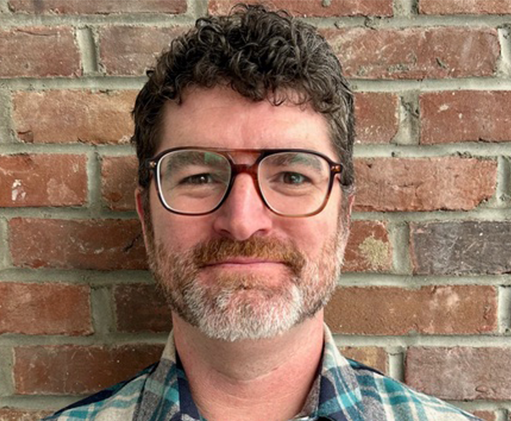
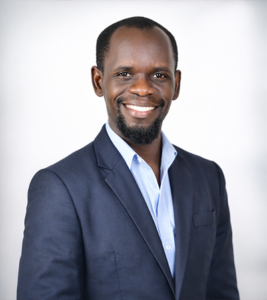
Tim Moore is a sustainability, climate adaptation, and resilience specialist with over 20 years of experience in marine conservation, sustainable seafood, and resilient blue food systems across Asia and Africa. He works with governments, NGOs, foundations, investors, and businesses to design programs that promote economic growth, protect biodiversity, strengthen climate resilience, and improve livelihoods for farmers and coastal communities.
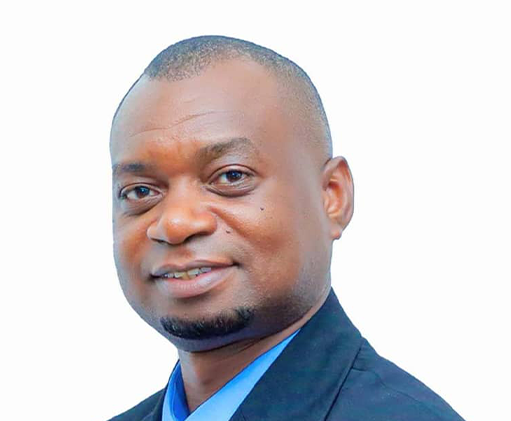
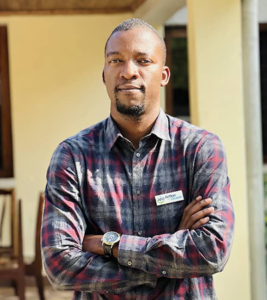
Deogratias Thobias Bwire is a Human Rights Lawyer and Advocate of the High Court of Tanzania with more than a decade of experience in governance, access to justice, human rights advocacy, and organizational development. He holds an LL.M. in Human Rights and Comparative Constitutional Law from Central European University. He currently serves as Director of Empowerment, Human Rights Monitoring and Response at the Legal and Human Rights Centre, where he leads citizen empowerment and human rights protection initiatives. His previous roles include managing Tanzania's largest paralegal network at the Legal Services Facility and working with KPMG East Africa and the Tanzania Human Rights Defenders Coalition on civic space, accountability, and defender protection.
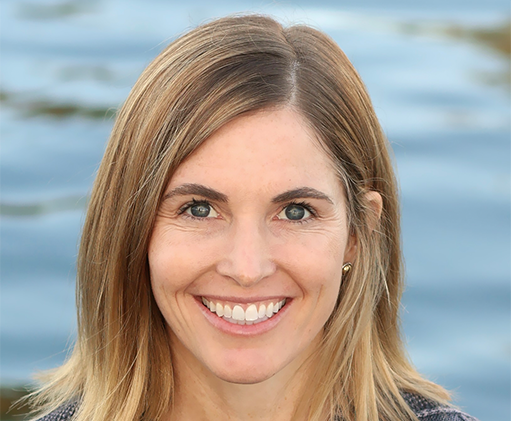
Kate O'Rourke is the Deputy Executive Director of FishWise, where she leads organizational strategy, smallholder fisher and farmer engagement, and monitoring, evaluation, and learning to strengthen responsible seafood supply chains. She previously served as Chief of Party for USAID's global SALT project to advance seafood traceability, counter-IUU fishing, and improve government–industry collaboration. Kate draws on two decades of multi-country research, behavior change, and systems-strengthening across Asia, Africa, and Latin America to advance sustainable, community-led outcomes.

Navonaeli Omari-Kaniki is a Tanzanian environmental and social management professional with over 16 years of experience delivering complex infrastructure, natural resource, and donor-funded programs across East and Southern Africa. She holds an MPhil in Environmental Management from the University of Cape Town and a BSc in Environmental Science from Simon Fraser University, and is a Registered Environmental Expert with Tanzania's National Environmental Management Council. She specializes in environmental and social impact assessments, management systems, stakeholder engagement, and capacity building, with experience under World Bank and IFC standards. Navonaeli has led major rail, water, oil and gas, and hydropower projects, while also strengthening coastal and fisheries co-management initiatives in Tanzania.

Juanita Pied is a finance and impact investing professional with over 20 years of experience in investment banking, development finance, and venture building across emerging markets. She is Founder and CEO of J4Change, advising impact entrepreneurs and fund managers in Latin America, the Caribbean, and Africa on investment readiness and impact integrity. Juanita has managed portfolios totaling approximately USD 2 billion, including blended finance transactions. She previously served in senior roles at IDB Invest and RBS (NatWest), leading infrastructure and renewable energy finance initiatives. She holds advanced degrees from ESTP Paris and ESSEC Business School and is a Stanford LEAD Impact Award recipient.

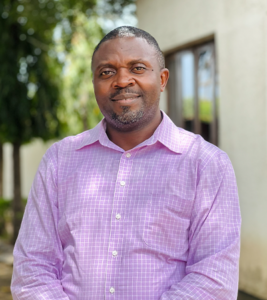
Dr. Rashid Tamatamah is an aquatic ecology and fisheries management expert with over 30 years of experience in research, teaching, policy, and institutional leadership. He holds an MSc in Aquaculture and Fisheries Management and a PhD in Limnology, with training in Tanzania, the UK, and Canada. He served at the University of Dar es Salaam from 1992 to 2016, teaching and supervising postgraduate research while leading a department of over 200 students and 25 staff. He has managed more than 10 research projects and authored 30+ peer-reviewed publications. Dr. Tamatamah also served as Director General of the Tanzania Fisheries Research Institute and later as Permanent Secretary for Fisheries.
Add this member's biography here. Include their background, areas of expertise, professional experience, and contributions to ocean conservation or related fields.

Add this member's biography here. Include their background, areas of expertise, professional experience, and contributions to ocean conservation or related fields.
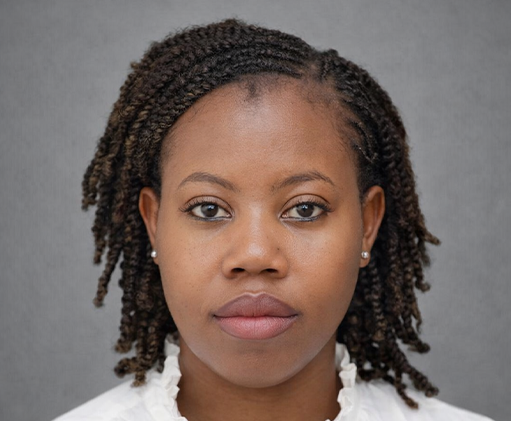
Add this member's biography here. Include their background, areas of expertise, professional experience, and contributions to ocean conservation or related fields.
Providing strategic leadership and governance to advance ocean conservation in Tanzania.
Tim Moore is a sustainability, climate adaptation, and resilience specialist with over 20 years of experience in marine conservation, sustainable seafood, and resilient blue food systems across Asia and Africa. He works with governments, NGOs, foundations, investors, and businesses to design programs that promote economic growth, protect biodiversity, strengthen climate resilience, and improve livelihoods for farmers and coastal communities.

Deogratias Thobias Bwire is a Human Rights Lawyer and Advocate of the High Court of Tanzania with more than a decade of experience in governance, access to justice, human rights advocacy, and organizational development. He holds an LL.M. in Human Rights and Comparative Constitutional Law from Central European University. He currently serves as Director of Empowerment, Human Rights Monitoring and Response at the Legal and Human Rights Centre, where he leads citizen empowerment and human rights protection initiatives.
Kate O'Rourke is the Deputy Executive Director of FishWise, where she leads organizational strategy, smallholder fisher and farmer engagement, and monitoring, evaluation, and learning to strengthen responsible seafood supply chains. She previously served as Chief of Party for USAID's global SALT project to advance seafood traceability, counter-IUU fishing, and improve government–industry collaboration.

Nancy Iraba is an award-winning marine scientist holding a Master of Science in Marine Sciences, a coral reef restoration expert, Divemaster, National Geographic Explorer, One Young World Ambassador, and Kinship Fellow. At Action For Ocean she serves as Underwater Program Lead, championing underwater ecosystems monitoring and building capacity for aspiring conservationists, storytellers, and filmmakers through Tanzania Dive Labs. She is passionate about bridging the gap between scientific findings and public understanding of marine conservation. Through her work, Nancy has been featured in local newspapers and won the Hidden Eco-heroine Award in 2017, was recognised as an upcoming woman in marine sciences by the Next Einstein Forum in 2019, and named among 100 Tanzanian Sheroes in 2020. She is also a 2021 Mandela Washington Fellow — a U.S. Government program for young African leaders making impact in their communities. Nancy believes that investing in capacity-building young people with underwater skills is the ultimate move towards unlocking innovation for sustainable oceans, especially in developing countries.
Juanita Pied is a finance and impact investing professional with over 20 years of experience in investment banking, development finance, and venture building across emerging markets. She is Founder and CEO of J4Change, advising impact entrepreneurs and fund managers in Latin America, the Caribbean, and Africa on investment readiness and impact integrity.
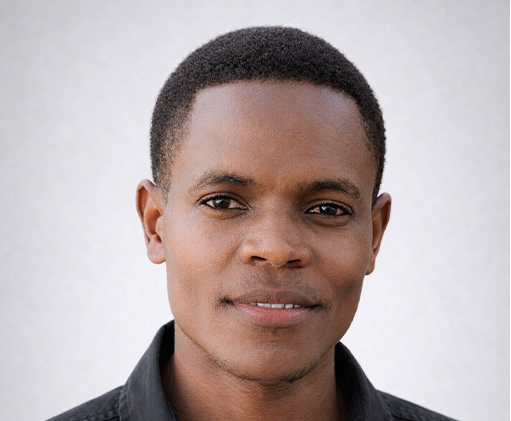
"Valeli Bugota is a marine scientist and conservation professional with over eight years of experience in marine and coastal resource management in Tanzania. He is Co-founder of Action For Ocean (AFO), leading community-driven, science-based conservation initiatives across coastal seascapes. He holds an MSc in Marine Sciences and a BSc in Aquatic Sciences and Fisheries from the University of Dar es Salaam. His expertise includes mangrove conservation, fisheries co-management, conservation genetics, marine spatial planning, and inclusive blue economy approaches. Valeli has contributed to national strategies on marine turtle conservation and mangrove management, and currently serves as Project Officer at WWF Tanzania, managing donor-funded programs and stakeholder partnerships."

Add this member's biography here. Include their background, areas of expertise, professional experience, and contributions to ocean conservation or related fields.
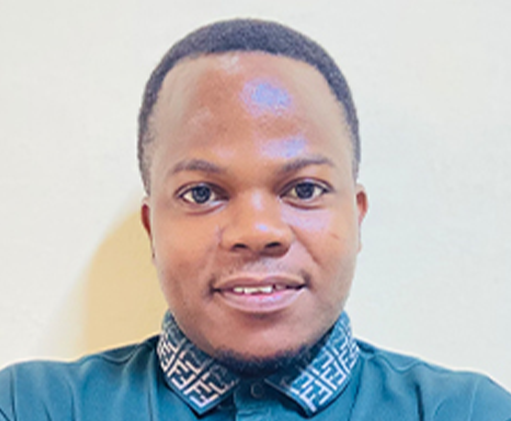
Add this member's biography here. Include their background, areas of expertise, professional experience, and contributions to ocean conservation or related fields.
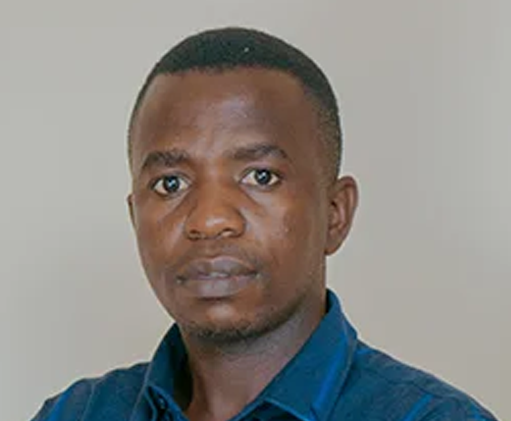
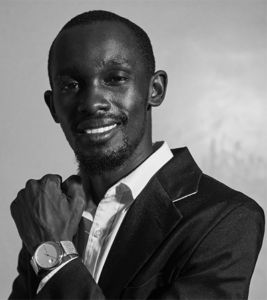
Kaitira Benard is an aquatic scientist with five years of field experience, serving as a Founding Member and Technical Advisor at Action For Ocean (AFO). He holds a Bachelor of Science in Aquatic Sciences and Fisheries from the University of Dar es Salaam (2017), where his final-year research focused on the socioeconomic dimensions of small-scale fishing communities. Kaitira is a member of the Western Indian Ocean Early Career Scientists Network (WIOECN) and the Tanzania Fisheries and Aquatic Environmental Organization (TAFAEO), and is a Nature, Environment, Wildlife and Filmmakers (NEWF) Fellow. He is also a certified Advanced Open Water Diver. Much of his work is rooted in coastal communities, where he engages local stakeholders in the conservation and sustainable use of aquatic resources. He has hands-on experience in the management of critical coastal habitats — including mangroves, seagrasses, and coral reefs — through community-based approaches. Kaitira's vision is to protect and sustainably manage marine and freshwater ecosystems across Africa through conservation, capacity building, and advancing the blue economy.
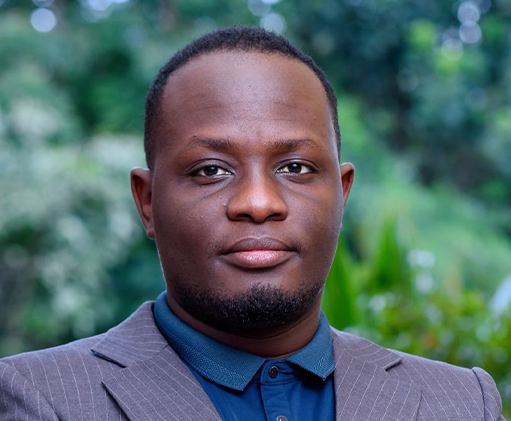
Jerry Geoffrey Mang'ena is the Co-founder and Executive Director of Action For Ocean (AFO), a youth-led conservation nonprofit headquartered in Dar es Salaam with regional offices in Kilwa and Tanga. He holds a Master of Science in Marine Biology from the University of Dar es Salaam and is currently pursuing an Executive MBA in Conservation Business at the African Leadership University. His work sits at the intersection of community-led fisheries governance, ocean restoration, and inclusive blue economy development. Under his leadership, AFO has engaged over 13,000 coastal community members, restored more than 70 hectares of marine ecosystems, and co-created the Africa Fair Seaweed Finance Facility — a blended finance initiative targeting USD 50 million to scale climate-smart seaweed farming across the Western Indian Ocean. Jerry is a Mandela Washington Fellow, Segal Family Foundation African Visionary Fellow, Climate Reality Leader, and NEWF Fellow. He has spoken at the IUCN World Conservation Congress and co-authored peer-reviewed research in Ocean and Coastal Management.